ENDING
CHILD LABOR
IN GHANA'S COCOA COMMUNITIES
Moving children from cocoa fields into classrooms, through education, healthcare, economic support, and direct community investment.
1.56 MILLION CHILDREN IN COCOA FIELDS
Child labor remains one of the most pressing challenges facing Ghana's cocoa sector. Despite decades of progress, systemic poverty, volatile cocoa prices, and limited access to essential services continue to force children into hazardous work.
The situation is particularly acute during peak harvest seasons, when household labor demand spikes and families are left with few alternatives but to rely on their children. This work includes carrying heavy loads, using sharp tools like machetes, and being exposed to harmful agrochemicals, all of which have long-term consequences for children's health, education, and development.
EASTERN REGION, GHANA
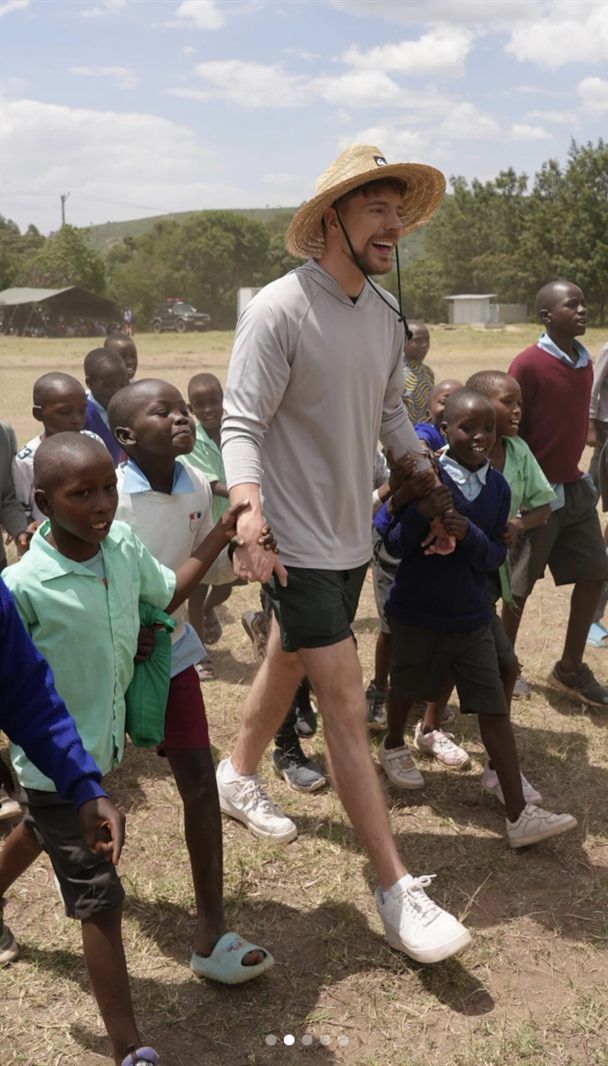
Beast Philanthropy is working in Ghana's Eastern Region, approximately two hours from Accra, across 11 cocoa-farming communities. Direct engagement has already begun in seven of those communities, with work progressively expanding to the remaining four.
The work is anchored by a deep partnership with the West Akyem Cooperative Union, which represents and organizes farmers across these communities.


A TWO-PILLAR APPROACH
Child labor cannot be eliminated through charity alone, nor through market-based solutions in isolation.
It requires a holistic approach that simultaneously reduces household vulnerability and builds market incentives for responsible sourcing.
Beast Philanthropy's Ghana program operates on two pillars at once, in an intentional, staggered rollout.
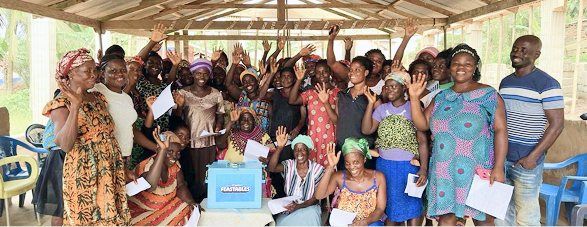
Community Development
Addressing the root causes
Reducing household vulnerability so families are not forced to rely on children's labor.
Education
Rehabilitating and rebuilding schools, supplying uniforms and materials, running school feeding programs to boost attendance and reduce dropout ratesClean Water & Sanitation (WASH)
Installing boreholes, rainwater catchment systems, and hand-washing stations at schools and community levels. Building latrines with a focus on menstrual hygiene facilitiesFood Security
Distributing seeds and tools, training farmers to improve yields and reduce seasonal hungerHealth & Nutrition
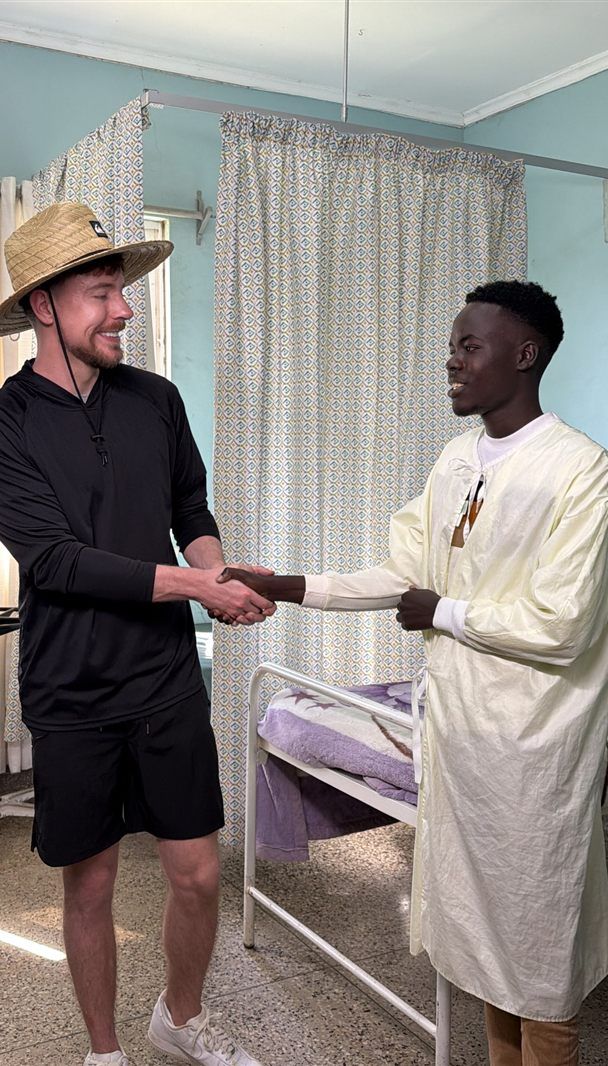
Providing health education, menstrual health training for girls, and supplying sanitary pads in schools to reduce absenteeism among adolescent girlsSustainable Income
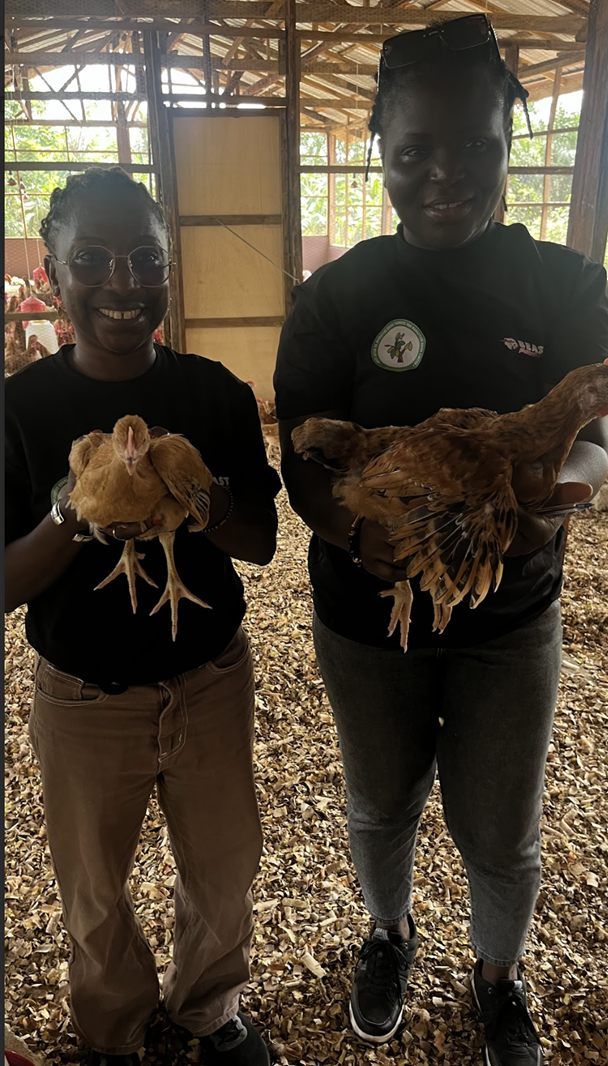
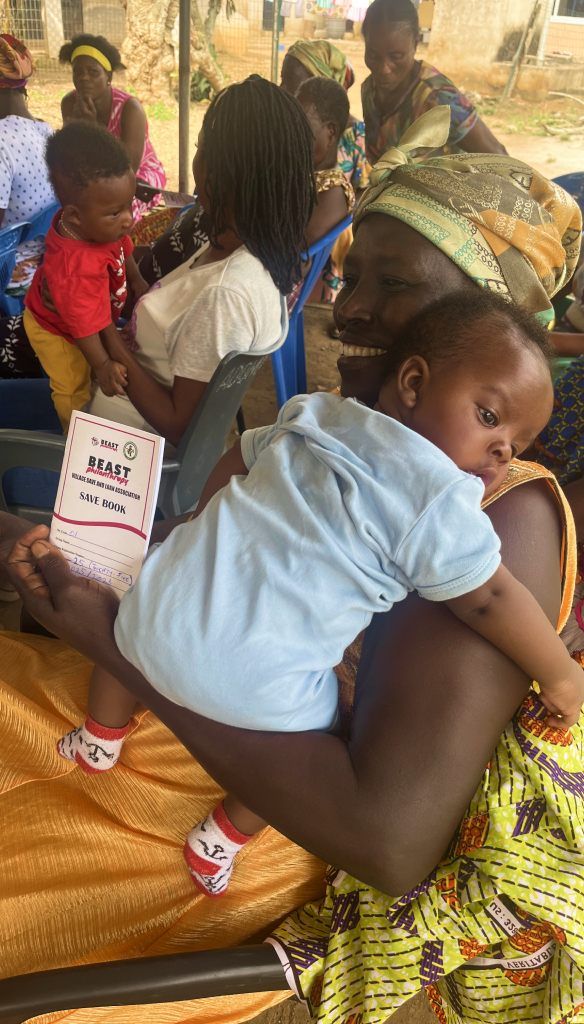
Connecting households to Village Savings and Loan Associations (VSLAs) and income-generating activities, including soap-making, poultry rearing, and small-scale enterprises


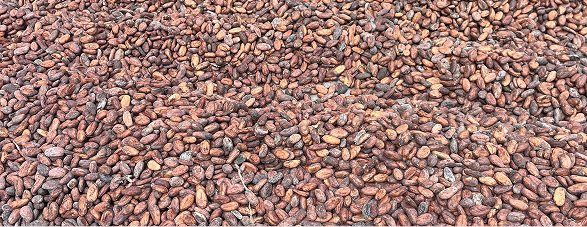
Ethical Sourcing
Building a replicable model
Demonstrating that responsible practices can be commercially viable, building a model designed to be replicated across the cocoa industry.
Fairtrade Certification
Sourcing on Fairtrade terms, with premiums supporting direct farmer payments and community priorities including schools, health services, and infrastructure.Living Income Reference Price
The model commits to the Living Income Reference Price (LIRP) so farmers earn predictable, sustainable income rather than being exposed to market volatility.Child Labor Monitoring & Remediation (CLMRS)
A comprehensive, data-driven system. Local field agents conduct guardian and child interviews privately. Cases are verified*, remediation plans are developed, and follow-up visits occur on an ongoing basis, multiple times per year.Multi-Year Contracts
Designed to give farmers stability and encourage long-term planning.Community Worker Groups
Organizing protected adult labor as a safe alternative to children's work during peak harvest periods.


*The data is verified by the International Cocoa Initiative (ICI) and used to develop individualized remediation plans, which may include activities such as cash transfer support, access to apprenticeship programming, enrollment in VSLAs, etc.
WHERE
THINGS STAND
The model is in motion. Across communities in Ghana, schools are being rebuilt, children are being monitored, and families are building income. Here's where things stand today.
CAMPAIGN JOURNEY
2025–2030: A Five-Year Plan for Sustainability
THE COMMUNITIES
"Day one" = each community's starting conditions. "By year one" = where that first year is designed to land. The three groups start at different times, so year one falls on a different date for each. Child-labor band (High · Very High · Extreme) is a severity guide relative to the regional norm, not a published figure.
AN ETHICAL,
CHILD-LABOR-FREE COCOA SUPPLY CHAIN
The goal is straightforward: an environment where children are in school, families are thriving, and cocoa is produced with dignity and fairness. Over time, the dual-pillar strategy is designed to create a systemic shift in cocoa communities, one where child labor becomes the exception rather than the norm.
Beast Philanthropy is committed to a minimum five-year program, with the intention of establishing a long-term presence to sustain and deepen impact over time.